
Human (im)perfection: a look at the added value of recording session musicians
by Ivo Witteveen
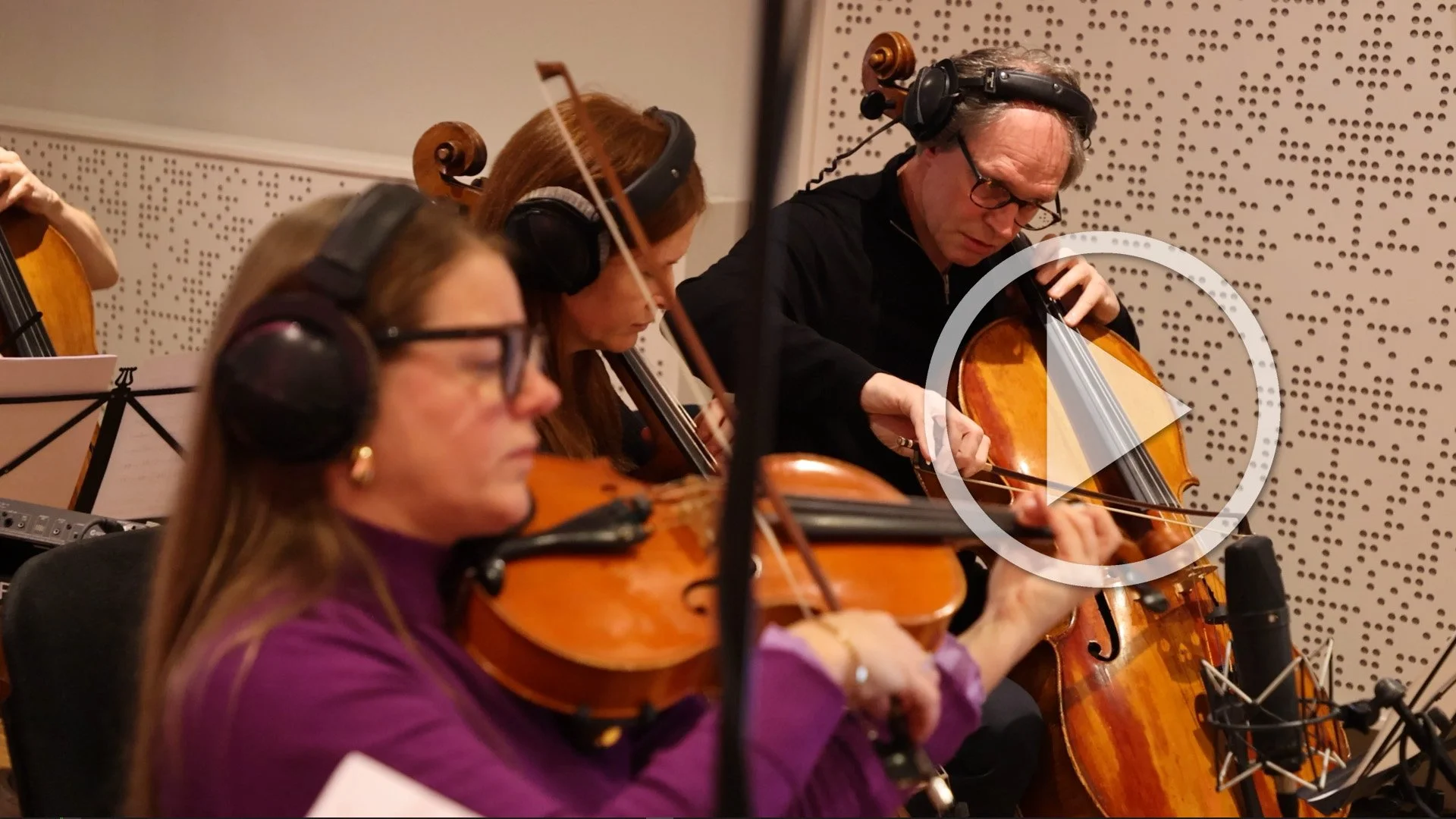
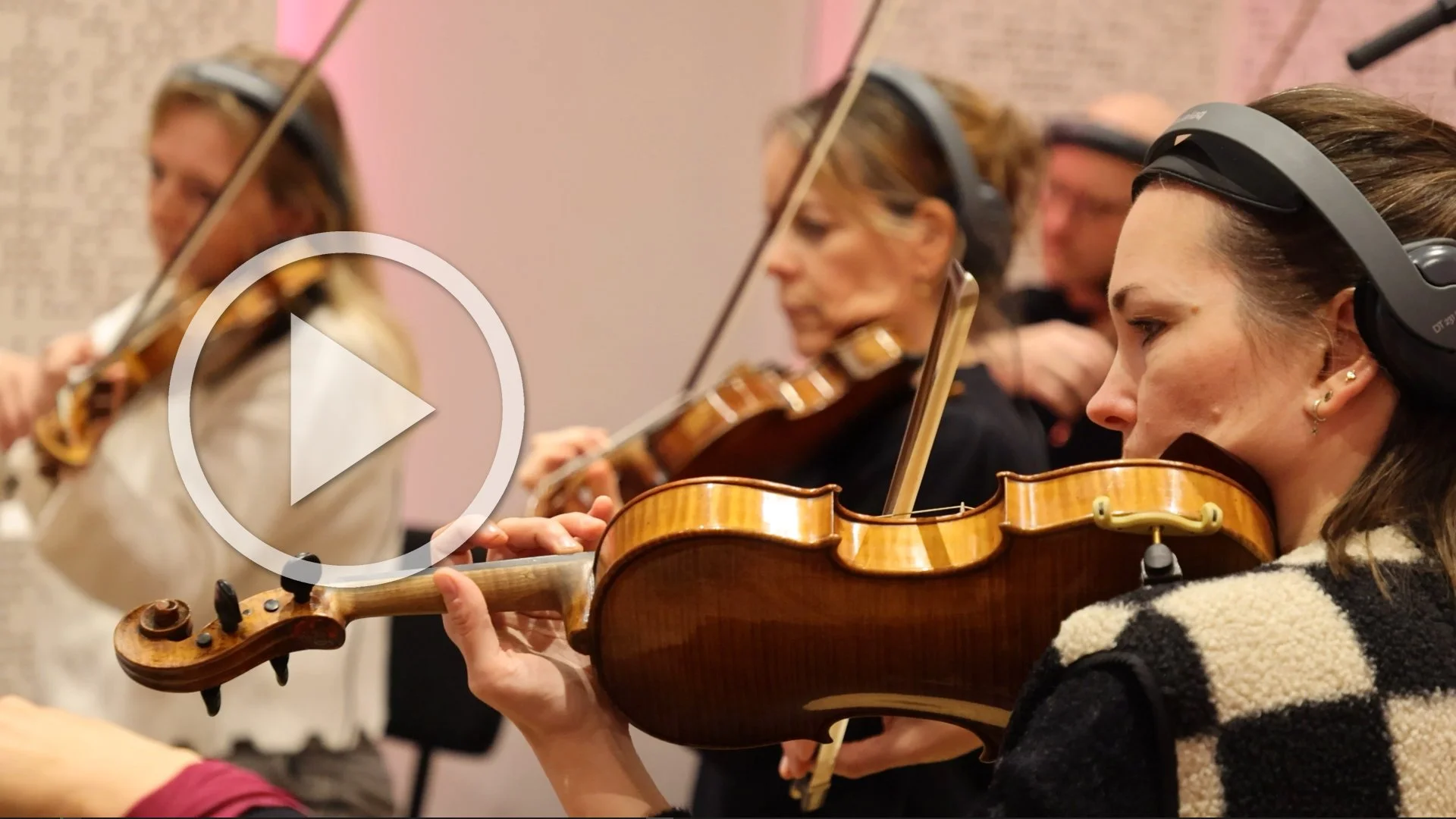
While we were filming and interviewing around the Shared Sessions with the Dutch String Collective (you can see the results here and here) we noticed the many happy composers and found ourselves wondering: what is it about the contribution of human musicians to a soundtrack that makes composers smile? To put it more bluntly: why record a session musician, when you could probably also get away with using a digital simulation?
In the ‘man vs machine’ debate, an idea that often comes up is that of ‘human imperfections’ real people bring to a performance - and in doing so, somehow add to the quality. This notion likely gained popularity with the 1988 book The Imperfect Art: Reflections on Jazz and Modern Culture by Ted Gioia. Especially in improvised music there is a strong appreciation for risk-taking coupled with a higher tolerance for imperfection, apparent in catchy quotes like 'It's not the note you play that's the wrong note – it's the note you play afterwards that makes it right or wrong’ (Miles Davis) or Thelonious Monk allegedly complaining, following a performance he found unsatisfying: “I made the wrong mistakes”. The notion of imperfection as a positive characteristic in music is not limited to jazz, though - for instance, it is often heard in discussions about pop music too, especially in the context of recordings that aim for an intimate, personal atmosphere. You can also find it in broader discussions about art in the age of AI, such as this recent piece on Private Kitchen where Erwin Angad-Gauer argued: “If everything becomes manufacturable (…) then perhaps we will rediscover our longing for what cannot be made by machines. For the unpredictable, the imperfect, the authentic”.
Of course, these writers are not wrong: imperfections can be welcome in music performance and yes, happy accidents do happen sometimes. Taking risks in your music can offer rewards. And in part, the discussion is semantic - because, what exactly do we mean when we say ‘imperfection’? Scholars like Andy Hamilton offer a more nuanced take on the aesthetics of imperfection, painting a complex relation between composition and improvisation. In the context of a recording session however, I believe the ‘human imperfections’ narrative overlooks an important aspect of music production. Which is, every ‘imperfection’ can only make it to the final mix, if the music producer chooses to keep it there. Not fix it, replace it, or use another ‘imperfection’.
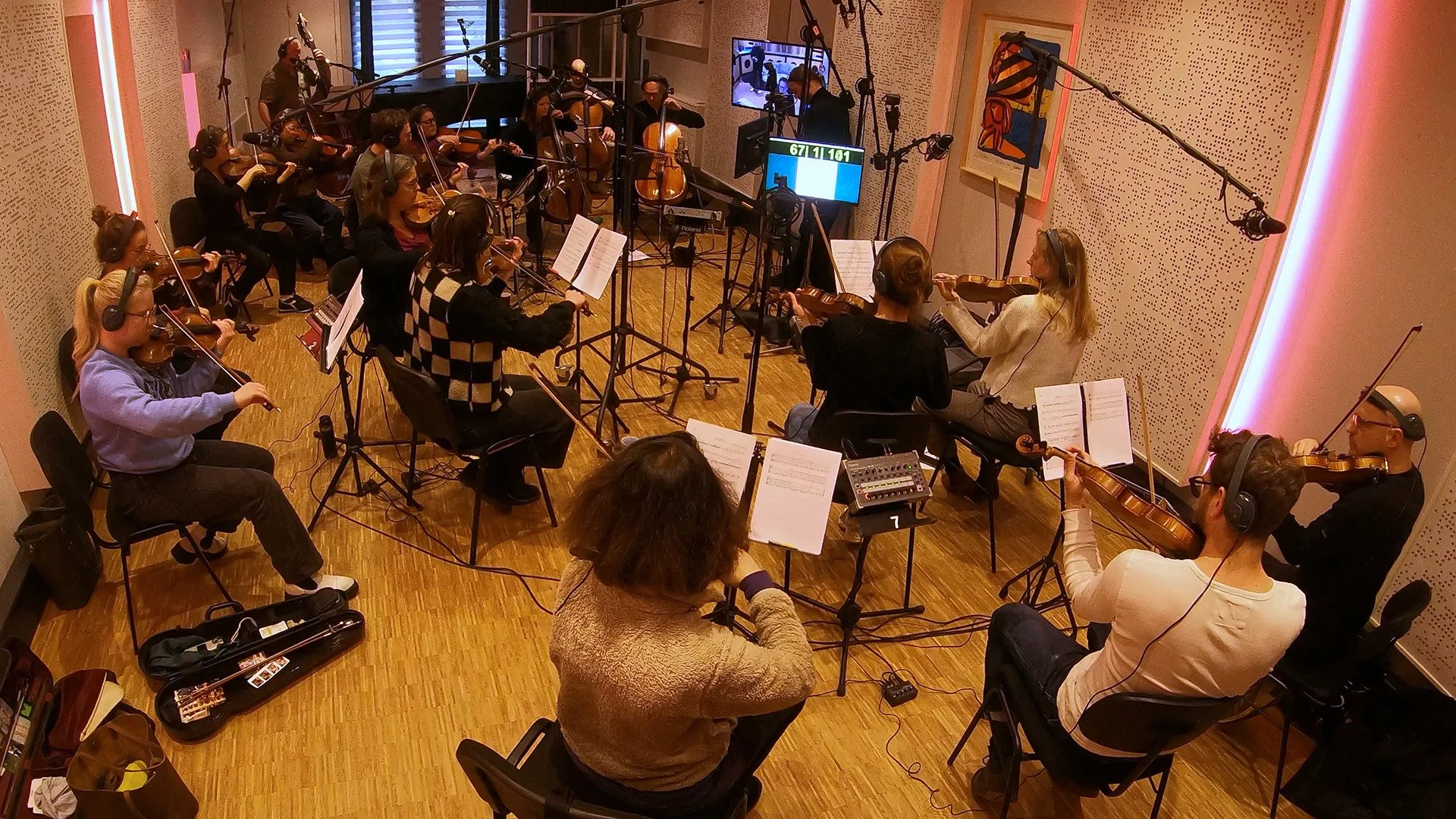
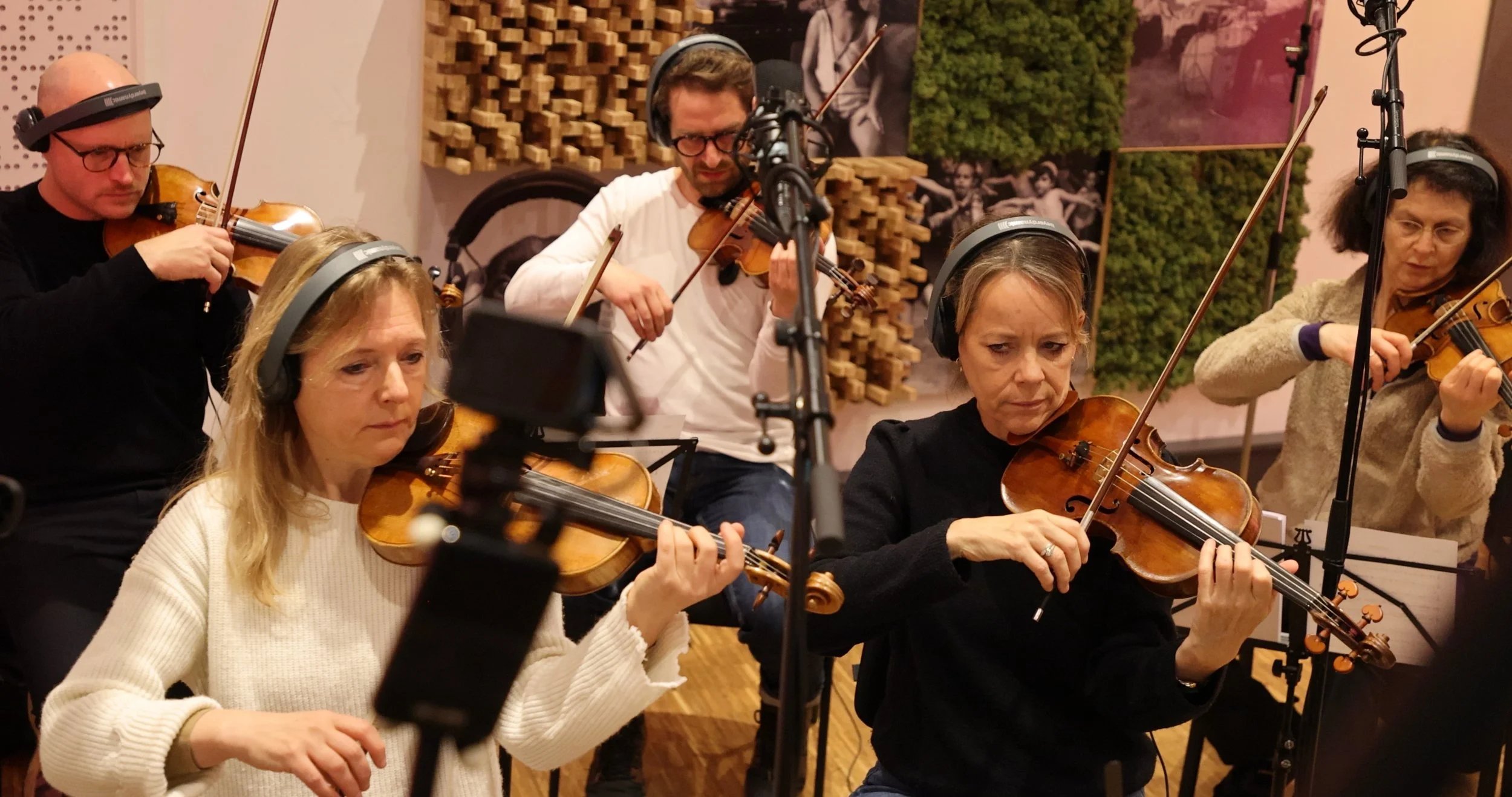
In short: while serendipity can play a role in creating and recording musical material, the decision making process that guides it is deliberate, not spontaneous. That’s why I wondered what would happen if we would turn the idea around: instead of romanticizing the flaws in human performance, why not take a look at the perfection that a great player can bring - and perhaps the imperfections of the digital simulations? Let’s go back to the recording with the Dutch String Collective. In this video, you can hear an A-B comparison between sampled strings (a mock-up) and the real players:
Why do the real players sound so much better? Is it because of imperfections? To be sure, there are some imperfections to be found - although it is a good performance. What you are hearing is the third take, also the third time these players played music they had never seen or heard before. This is normal for a recording session - but for other recordings, the players might rehearse and might do more takes. And to be fair: the computer version could perhaps also sound slightly better if the composer/producer (in this case: me) would spend more time on it. So there are some imperfections, on both sides, but I’d say that’s not what makes the humans sound better than the digital mock-up.To the contrary: I’d venture to say that the difference in quality comes from striving for perfection: the degree of perfection these players reach in mastering their instrument after a lifelong study. Perfection in playing together. In their performance of the dynamic markings, the timing, the intonation. Perfection in the specific way in which they play this music in this specific musical context.
In the computer version, the exact opposite is happening: these computer sounds once started their life as perfect recordings of a perfectly fine string ensemble (no imperfections there) but they were sampled note-for-note, not recorded for a specific musical context. When using these sampled sounds, you can (rather painstakingly) program in an approximation of a human performance. But that is no match for a bunch of great musicians, organically shaping the sound of their performance in real time in response to what’s happening in the music. This goes for many performance-related issues when using computer instruments to imitate physical instruments: as a producer, you are trying to force a musical performance onto material that was originally recorded to be versatile and therefore rather generic. And likely, the same is true when using AI-generated music or sounds: here too, the origin lies in a generic approximation, an average based on a lot of training data - so it likely won’t get you a result specific to the nuance of your current musical situation.
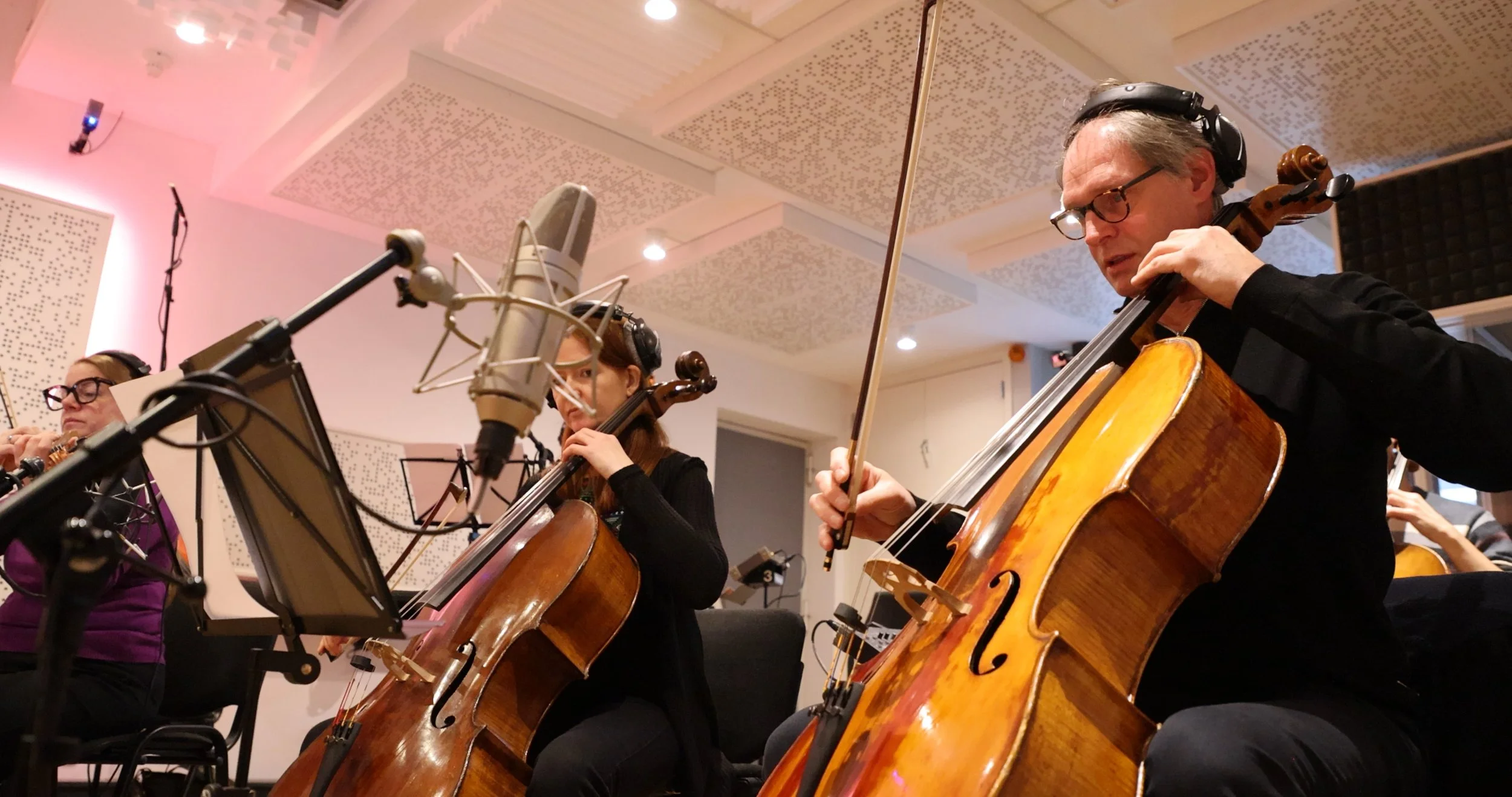
When you are recording musicians, they bring their experience, years of training and general knowledge of music with them too. But their superpower is to transform this large reservoir of knowledge and skills into a one-time, specific performance. During the recording, these musicians are responding in real time to all information you are offering them - the music notation, the backing track, a conductor, the sound of other players. A drummer playing a groove just right, a guitar player adding some dirt to a track exactly when it’s needed - that is the responsive result you get and it makes all the difference.
So perhaps the ‘human imperfection’ narrative doesn’t do justice to what recording musicians are actually bringing to a soundtrack recording. Maybe the keyword differentiating human vs. machine in a music production context is thedegree to which the performance is specific to the musical context. The infinitely more responsive and therefore more specific performance from a good player brings your recording a lot closer to perfection. As illustrated by this unverified account of a recording session at Abbey Road studios: After horn player Alan Civil recorded his definitive performance of the horn solo on The Beatles’ For No One, including an impossibly high note, Paul McCartney said through the talkback something like: ‘Thank you, Alan, OK, I think we can get a take better than that?”. “Well, not by me,” Civil allegedly replied. He packed his horn, stood up and left. Perfection had been reached already.
Watch the BCMM Shared Sessions
Credits
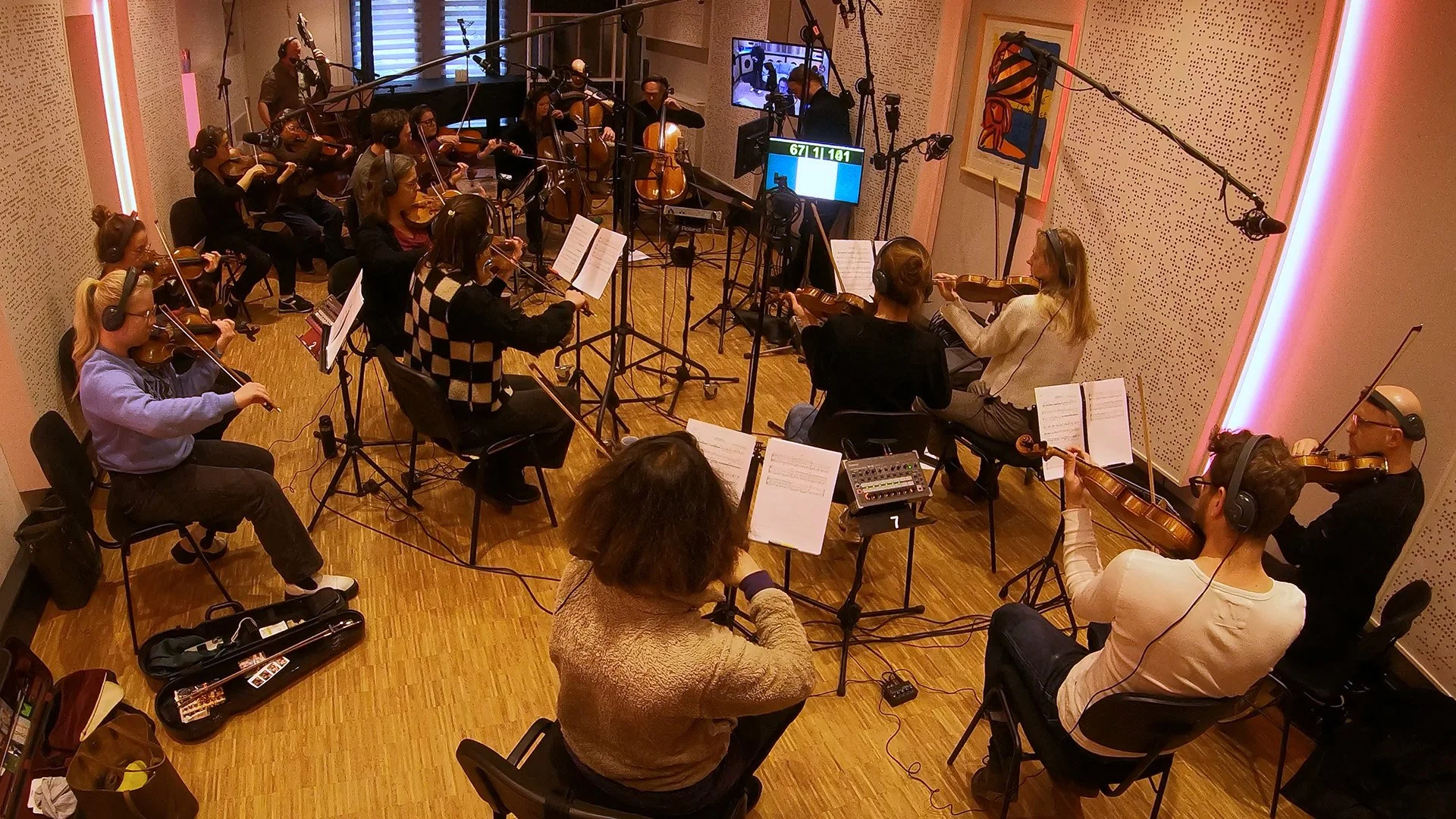
The Shared Sessions are organized by BCMM, with Dutch String Collective and Groenland Studios. The Private Kitchen video productions documenting the Shared Sessions have been made possible with the kind support of BCMM, SENA Performers and Norma Fonds.

BCMM Shared Session Recordings
Interviews: Ivo Witteveen & Sebastiaan Donders
Camera’s & editing: Sebastiaan Donders
Producer: Ivo Witteveen


