
Sabiá - Composer for Screen and Stage
Up-and-coming Dutch media composers show their recent work and tell us who they are

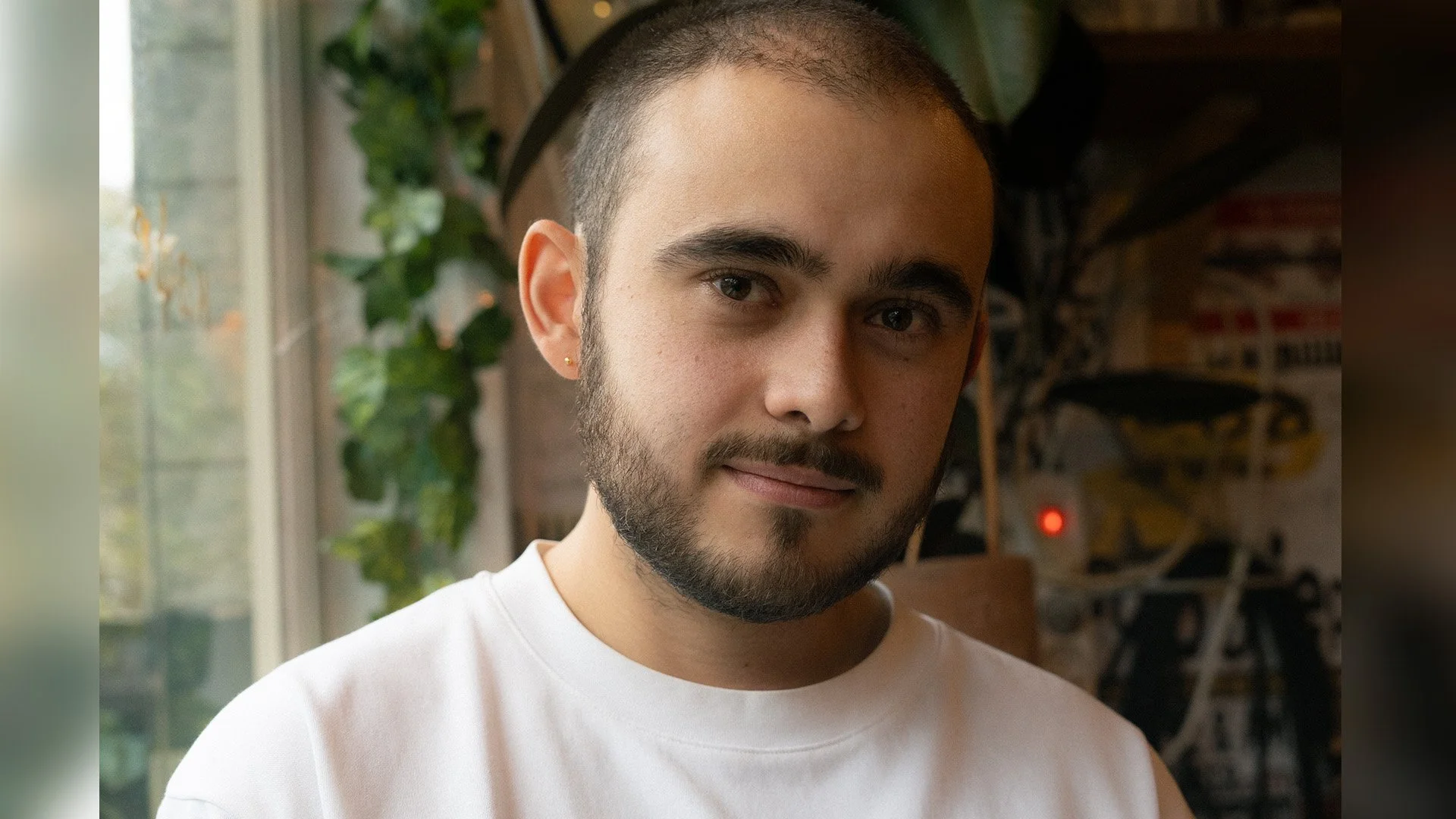
Sabiá, the creative moniker of Nilo van Kralingen, is a Rotterdam-based composer, specializing in narrative-driven scores for film, interactive media, and stage. The name refers to the Brazilian songbird Sabiá-laranjeira, which is a family symbol, once used by his late grandfather to name his publishing office in Brazil. The bird stands for the visceral and lyrical qualities at the heart of Sabiá’s work.
Making use of his background in jazz and contemporary classical music, Sabiá writes scores that avoid the obvious and keep audiences engaged. For each project, he seeks to find a musical identity that fits the story inevitably. His scores always aim to reach beyond mere mood-setting by letting the music tell the story alongside text and visuals.
Recent projects include Time Ripple, an interactive film by Eva Heijnen scored for Cinekid Festival, and Only You, an impactful collaboration with Yazija about queer intimacy between people of color, presented on the eve of World Aids Day at Paradiso. Earlier, Sabiá wrote the scores of Ludo Marbus’ films Terug is al Voorbij and De Thuiskomst, which both premiered at NFF. His video game work includes Faekeeper, a dark-fantasy roguelike, and Splatty’s Adventure, a colorful platformer presented on Playstation’s Dreams.
In 2024, Sabiá wrote Young McCool for the Ricciotti Ensemble, which was performed throughout Ireland and the Netherlands as part of their Shamrock Shuffle tour. That same year, Cozy Music for Christmas Festivities premiered, performed by DoelenEnsemble on the Day of the Composer.
Sabiá believes music for media should add a dimension, communicating what can’t be seen on screen or on stage. His work is driven by curiosity, sincerity, and human connection. In his collaborations, he strives to create works that serve a purpose beyond only entertainment; stories that build bridges or explore pressing and meaningful topics.
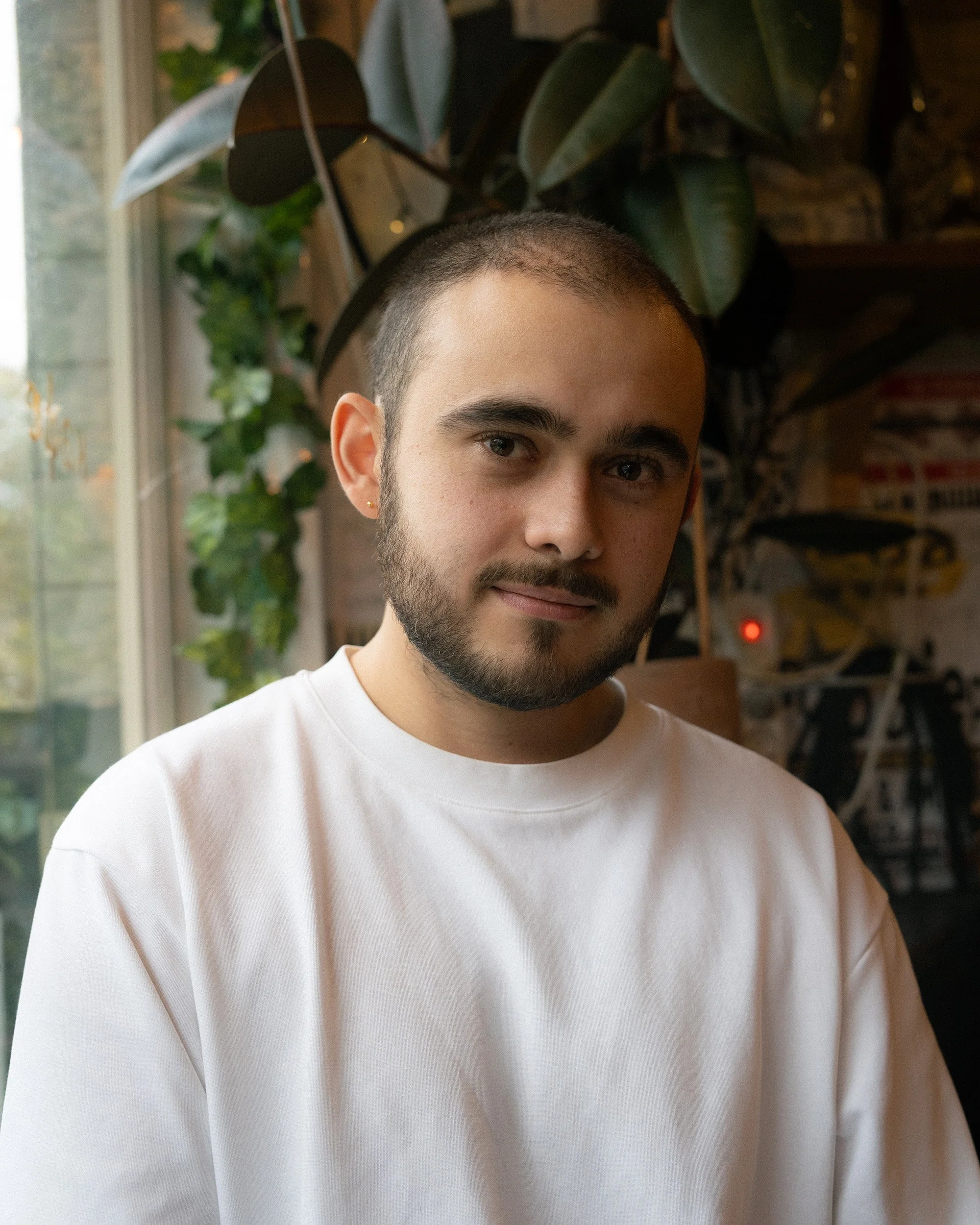
Photography: Vera Pluer
Projects
the tyranny of the remembering self
“Sabia’s graduation album explores the dark side of nostalgia — how it deceives, imprisons, and dissociates us from the present.”
People love nostalgia — indulging in its bittersweet wistfulness. After all, it’s just an innocent trip down memory lane. Right? Wrong. The tyranny of the remembering self explores the true nature of nostalgia; a terrible beast that deceives, excludes, and imprisons. The work is inspired by Daniel Kahneman’s theory that we live our lives to please our ‘remembering self’, instead of our ‘experiencing self’. Memory has a tyrannical power over experience, and nostalgia plays an important part.
The album exposes nostalgia’s tyranny across seven pieces. The prologue “I. nostos” explores childhood, a time free of nostalgia. Enter “II. algia”, which confronts nostalgia’s most obviously harmful traits, when used as a political weapon to exclude and oppress. “III. that one river that starts with an L” addresses how remembering distorts and disintegrates memories. “IV. lingering in rain and wind”, then, shows how nostalgia can trap us in memories that no longer serve us, preventing us from letting go.
“V. the best time of the year” examines how nostalgia creates impossible expectations, doomed to be met with disappointment. The album reaches its all-time low with “VI. tyranny”, where we fully lose ourselves in nostalgia and end up in a dissociating mess of nostalgic pop hits, torn from their context. Finally, “VII. the remembering self” offers hope. Perhaps we can break free from nostalgia by forcing ourselves to experience, to live fully in the present. That is, if we can manage to escape the tyranny of the remembering self.
This graduation album moves through many different styles and degrees of abstraction. Between the main pieces are soundscapes that trigger involuntary memories, just the way nostalgia does. This project represents the narrative approach and emotional specificity Sabiá brings to every score — treating music as storytelling. The same principles guide his work for screen and stage.
Listen to Sabiá’s album
“the tyranny of the remembering self”
Video projects
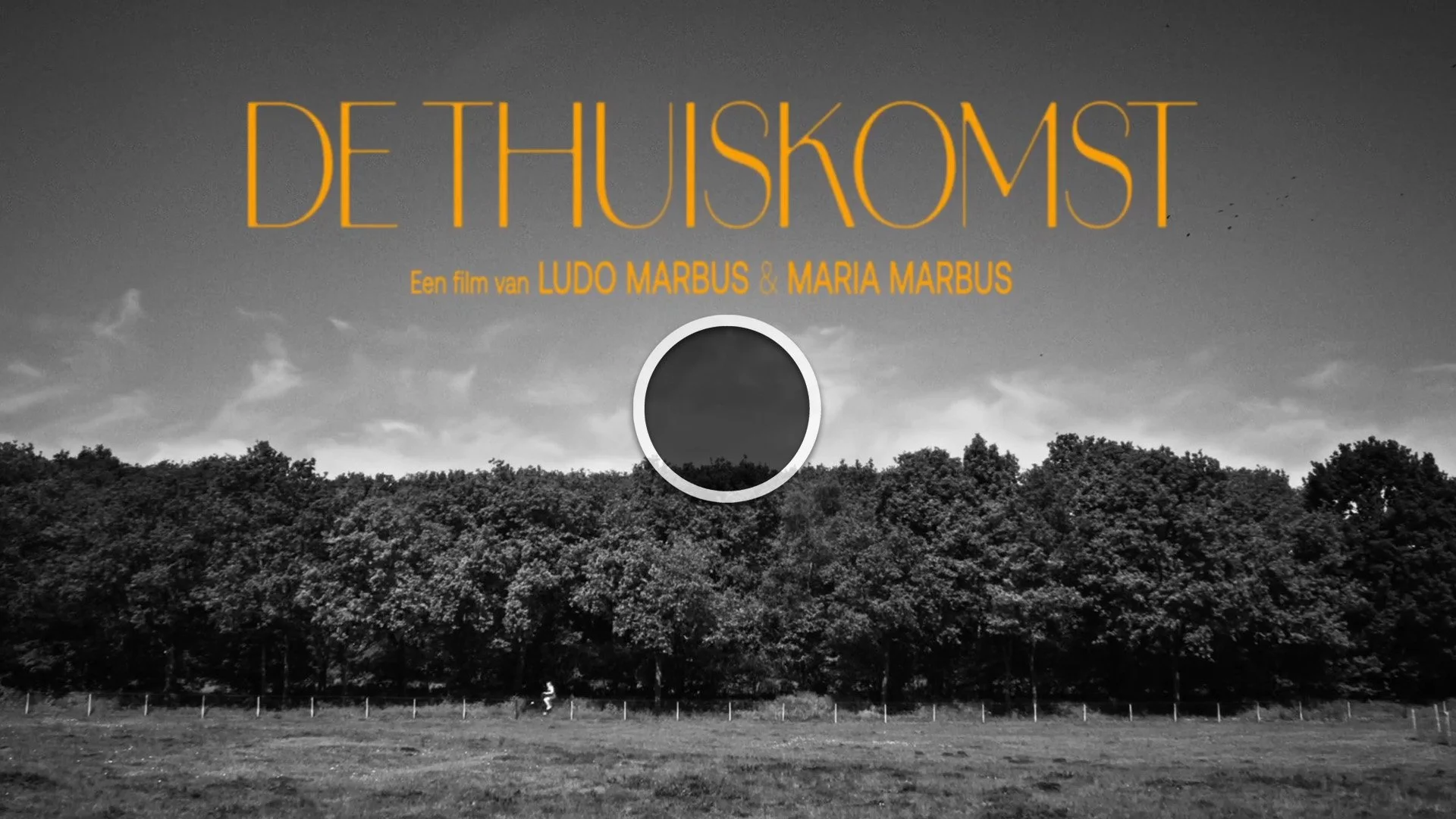
De Thuiskomst
When Mara, one year after her mother’s decease, returns to her parental home, many things are left unsaid. When her father suggests she can sleep in her mother’s deathbed, she goes berserk.
Credits
Director: Ludo Marbus
Production & Script: Ludo Marbus and Maria Marbus
Executive Producer: Gina Marbus
Camera: Stern Nordsiek
Edit: Jet Wijngaards
Sound Design: Onne Roncken
Sound Recordist: Joost Boeke
Starring: Maria Marbus and Bert Luppes
Composer: Nilo van Kralingen
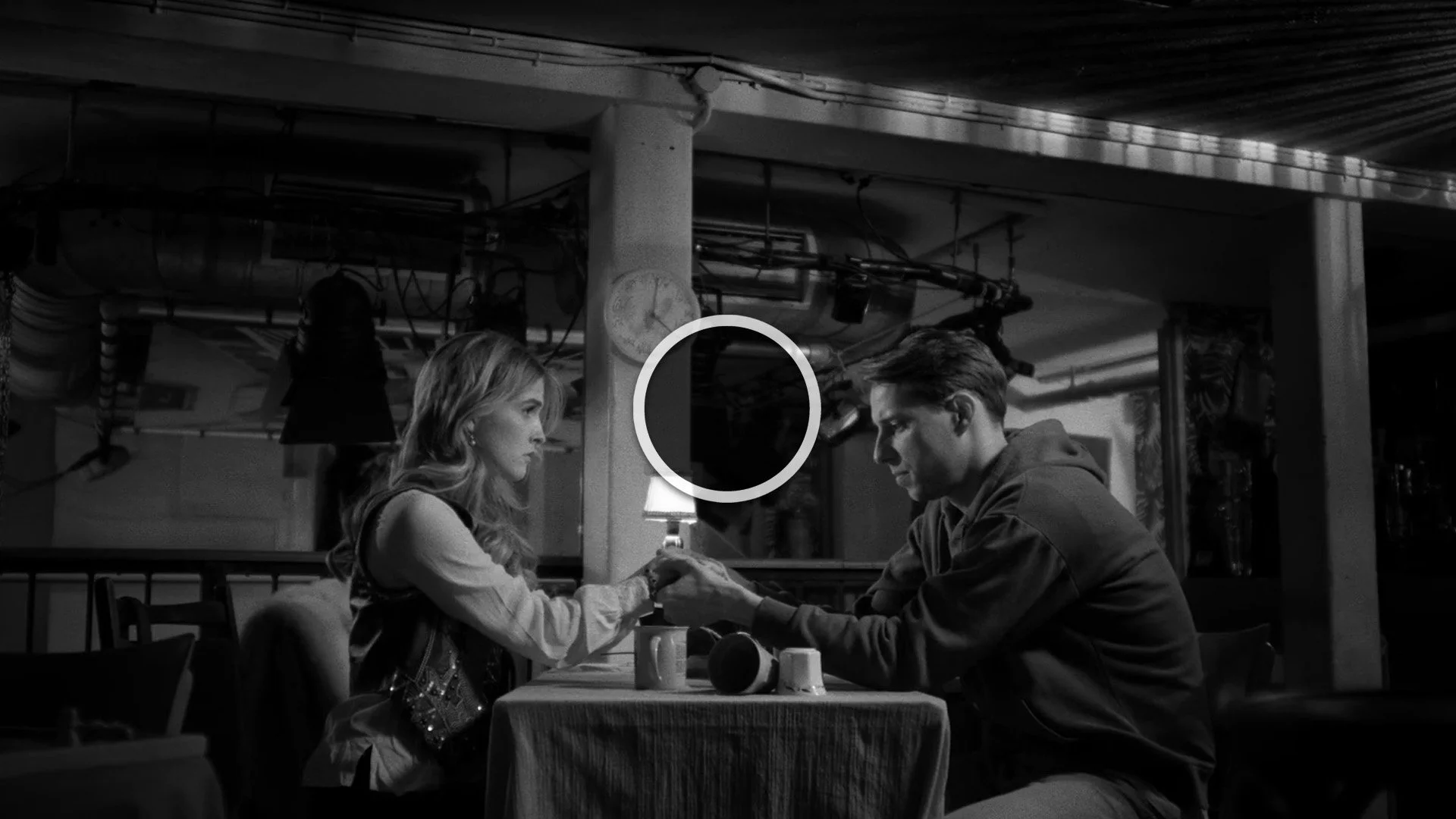
Terug is al Voorbij
Abandoned by his friends, the insecure Vincent needs to find his way through a surreal Amsterdam, chased by his anxieties.
Credits
Director: Ludo Marbus
Production: Sam Vroom
Cinematography: Tarzan Rutgers
Edit: Dijk Booy
Sound Design: Onne Roncken & Roy Griekspoor
Sound Recordist: Imre Elzinger
Starring: Rick van Werd, Maria Marbus, Nick Renzo Garcia
Composer: Nilo van Kralingen
More New Chefs in Town





New Chefs in Town is made possible by Norma Plus
